How to use this site:
This form helps you find a counsellor that meets your needs. Here's how to use it:
Virtual/In-Person
- Virtual: Select this option if you're looking for online counselling sessions. Virtual counselling is available across the province, so you can choose a counsellor from any city in British Columbia
- In-Person: Select this if you want face-to-face sessions. You'll need to choose a city where the counsellor is located.
Area of Practice
Pick the main focus of the counselling you're seeking (e.g., anxiety, relationships).
City
- If you're looking for in-person counselling, select the city where you'd like to meet your counsellor
- If you're looking for virtual counselling, you can still select a specific city if you prefer working with a counsellor from that area, or leave it blank to see options form all cities in BC.
Approach Used
Choose the counselling style or method you're comfortable with (e.g., CBT, mindfulness).
Find Obsessive Compulsive Disorder Counselling Psychologists, Therapists, Counsellors in British Columbia
Results:

The First Step Can Change Everything, With the right communication and support, we can overcome this more easily and quickly than you think... As a Registered Clinical Counsellor (RCC) in British Columbia, Iskender…

I am a Registered Clinical Counsellor with over 17 years of experience in the field of mental health and therapy. I currently offer in-person and virtual sessions in Vancouver (Broadway and Ash area), as well as in…

When explaining my approach, I often ask the question, “Who are you”? It’s a tricky one, isn’t it? No matter how hard we try, our stories rarely can sum it all up. Inevitably, something is discounted, left out, or…
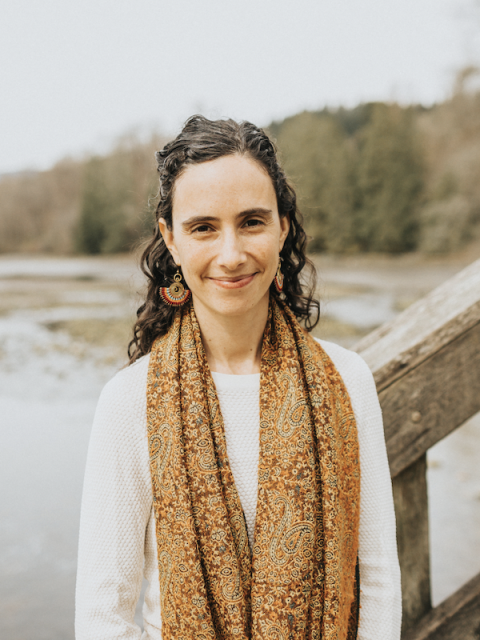
Hi! I’m Diana (she/her) and I am a Latinx counsellor passionate about walking alongside people as they navigate life’s challenges and transitions. I work from a trauma-informed, intersectional, and anti-oppressive…

I specialize in the treatment of Anxiety, Depression, OCD, Grief and Loss, Addiction and Men’s Issues. My approach is a blend of CBT, mindfulness and psychodynamic approaches. Here are some common reasons for coming to…

These brains of ours don't come with instruction manuals - figuring out how to navigate life is tough, but can sometimes feel impossible when we experience mental health difficulties. If your relationships keep looping…

My first career was in education, and I have taught infants through adults across three countries. These experiences have given me a unique perspective on ways to build strong families and manage the challenges of life…
Obsessive Compulsive Disorder Counsellors
Through the media, Obsessive Compulsive Disorder has become quite well known.
Obsessive Compulsive Disorder, or as it's commonly known, OCD is a common anxiety disorder in which a person feels fear, worry, apprehension and other intrusive thoughts. Most people diagnosed with Obsessive Compulsive Disorder report childhood onset of symptoms, which could lead to a range of ongoing anxiety disorders.
It is common for the person to perform repetitive behaviors that are meant to reduce anxiety. A person can develop a range of compulsions or obsessions. Someone who has Obsessive Compulsive Disorder will repeatedly check on things (such as locking doors, switching off lights, etc.), obsessively wash their hands or clean their homes excessively.
In some cases, a person might become preoccupied with religious, violent or sexual thoughts, or have relationship-based obsession. They may become averse to certain words or numbers and perform nervous rituals, such as performing a certain routine repeatedly.
To other people, a person with Obsessive Compulsive Disorder might seem paranoid. It could cause stress in a relationship or family, and could lead to severe financial or emotional distress. Since most people with Obsessive Compulsive Disorder recognize their behavior as irrational, it can cause them even more distress.
Cognitive Behavioural therapy offers a range of techniques to assist people with Obsessive Compulsive Disorder. A specific technique used in OCD is exposure and response prevention (ERP). This technique teaches a person with OCD to gradually learn to tolerate the anxieties caused by not continuing the rituals. Counsellors perform this and other therapies in a safe and non-judgmental environment.
If you are looking for a counsellor or psychologist who offers Obsessive Compulsive Disorder to help with your repetitive, compulsive behaviour issues you may want to search the directory to find a professional whose approach will suit you best.